Theatrical cut
Babette's Feast
Recipes
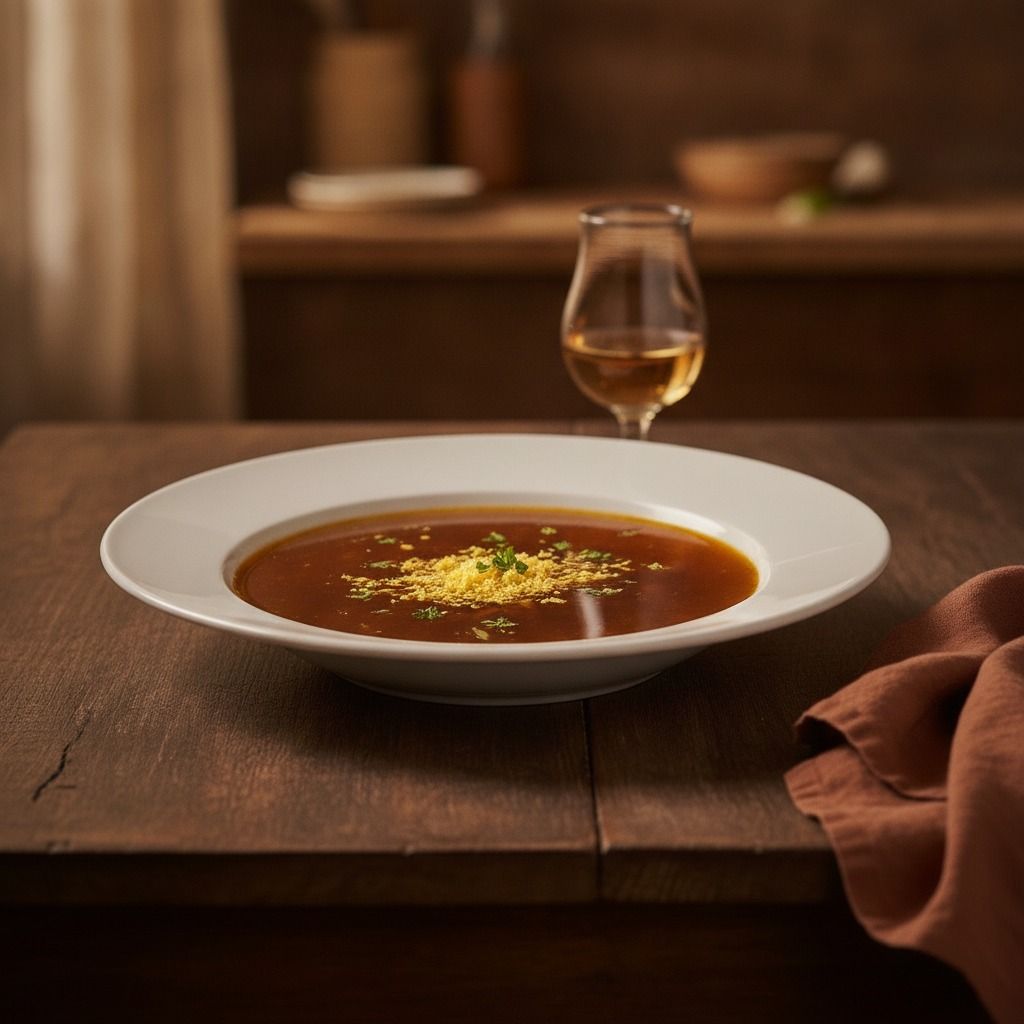
Potage à la Tortue (Turtle Soup)
Appetizer · Reconstructed
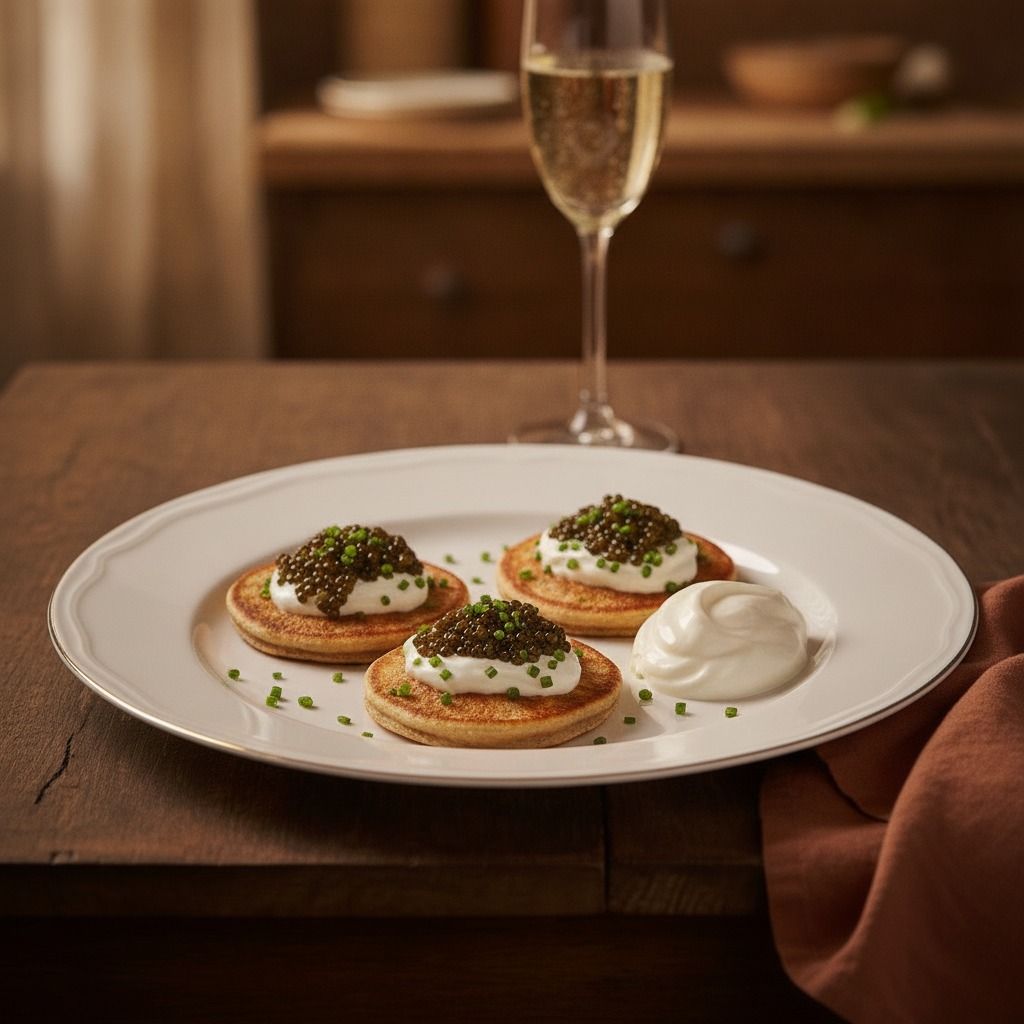
Blinis Demidoff
Appetizer · Reconstructed
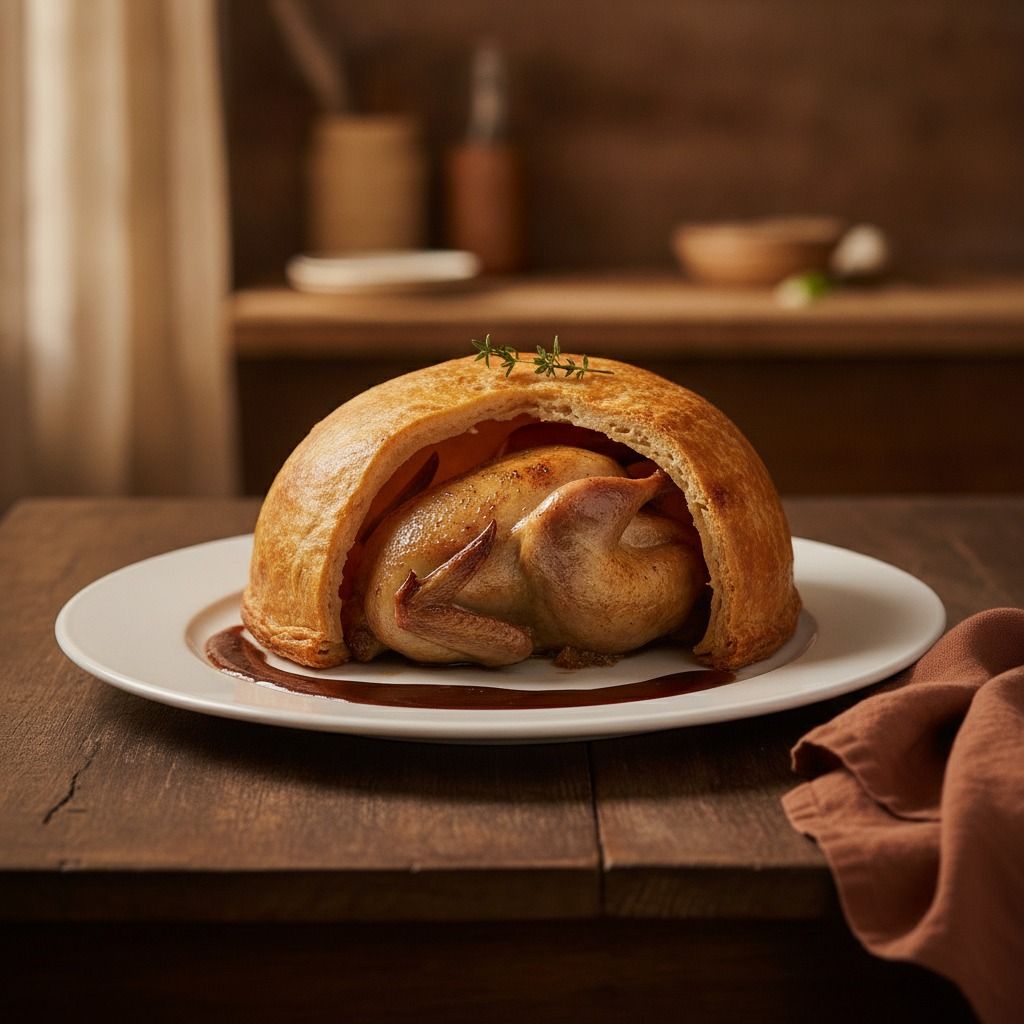
Cailles en Sarcophage (Quail in Puff Pastry)
Main · Reconstructed
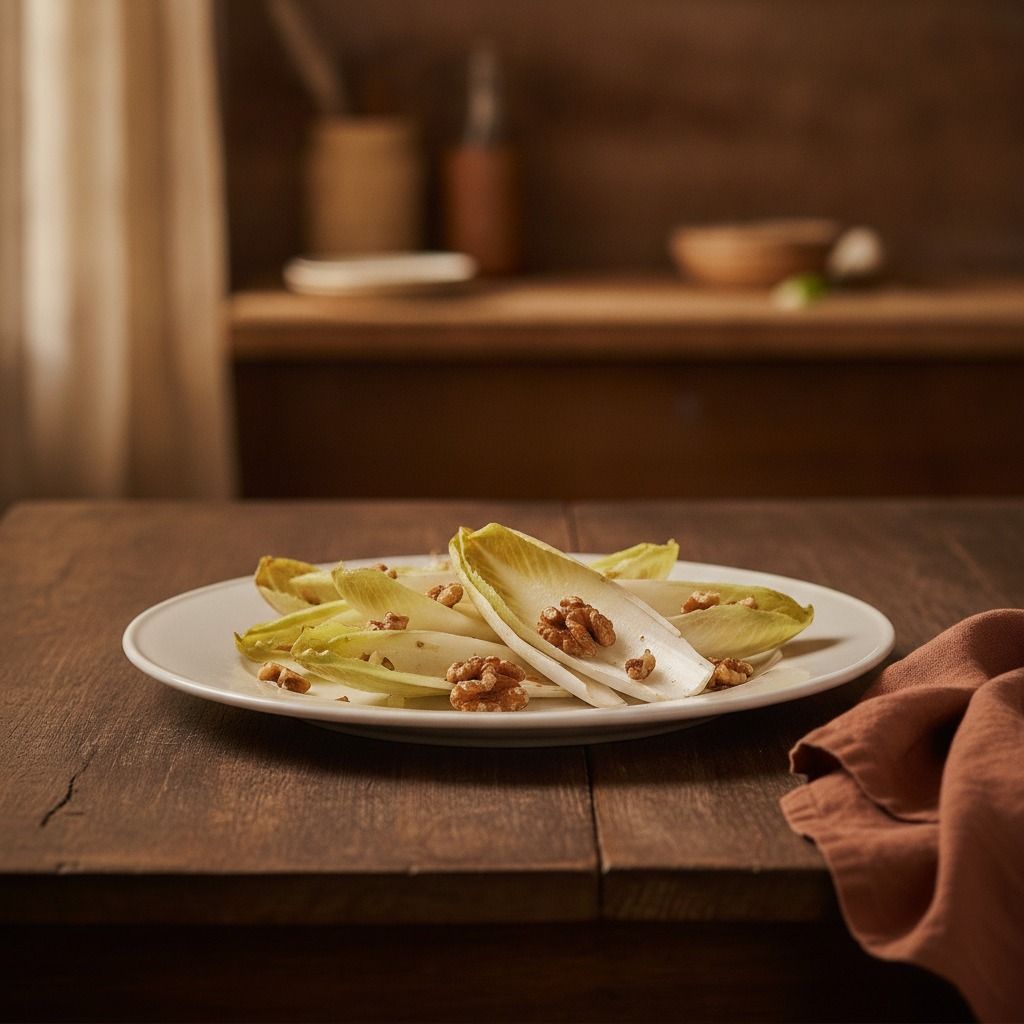
Endive Salad
Side · Reconstructed
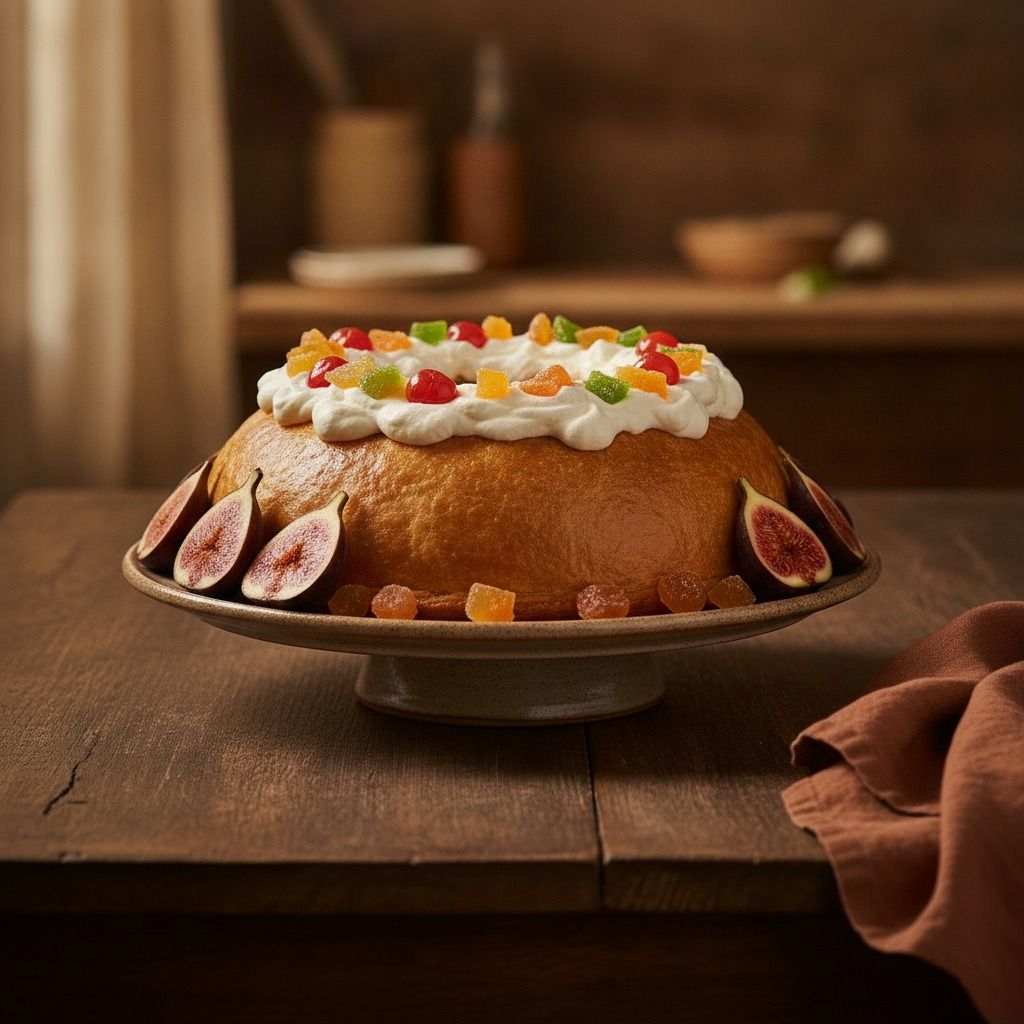
Savarin au Rhum with Figs
Dessert · Reconstructed
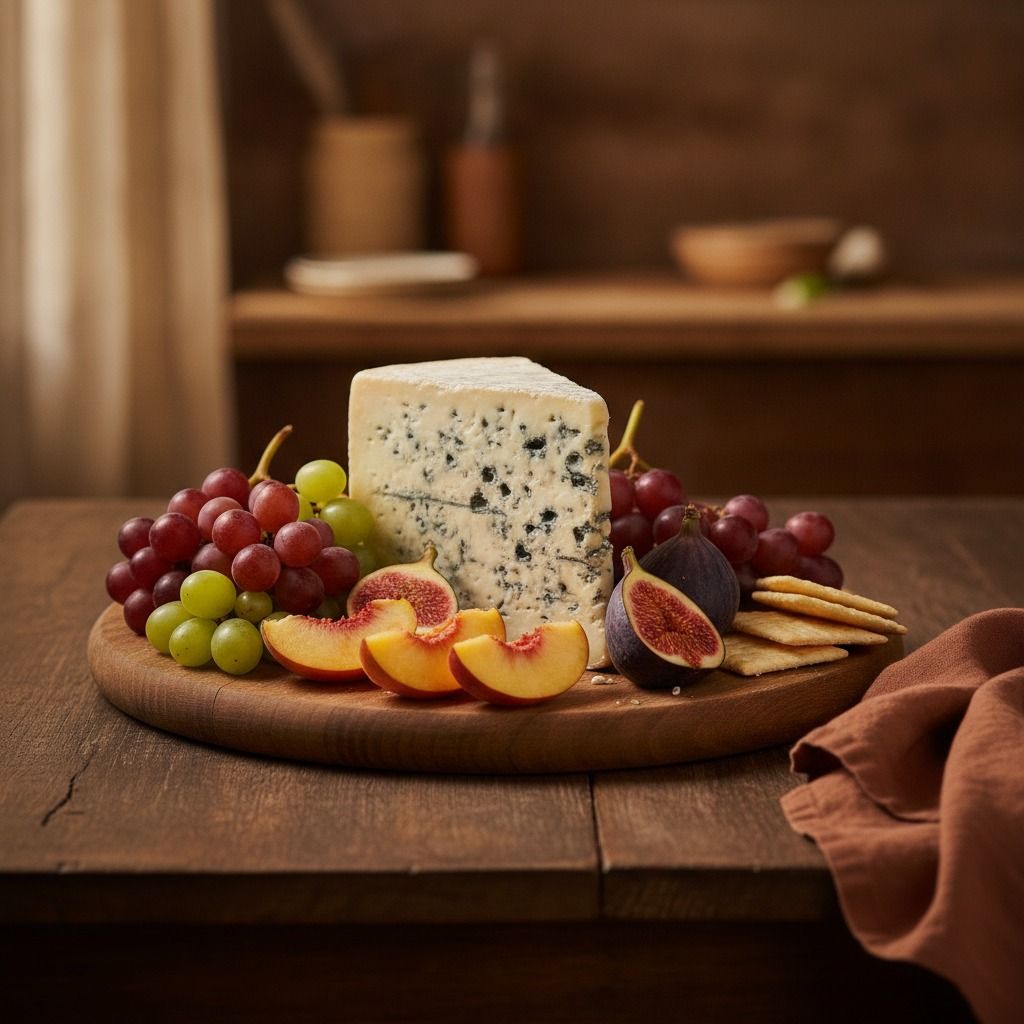
Cheese and Fruit
Cheese · Reconstructed
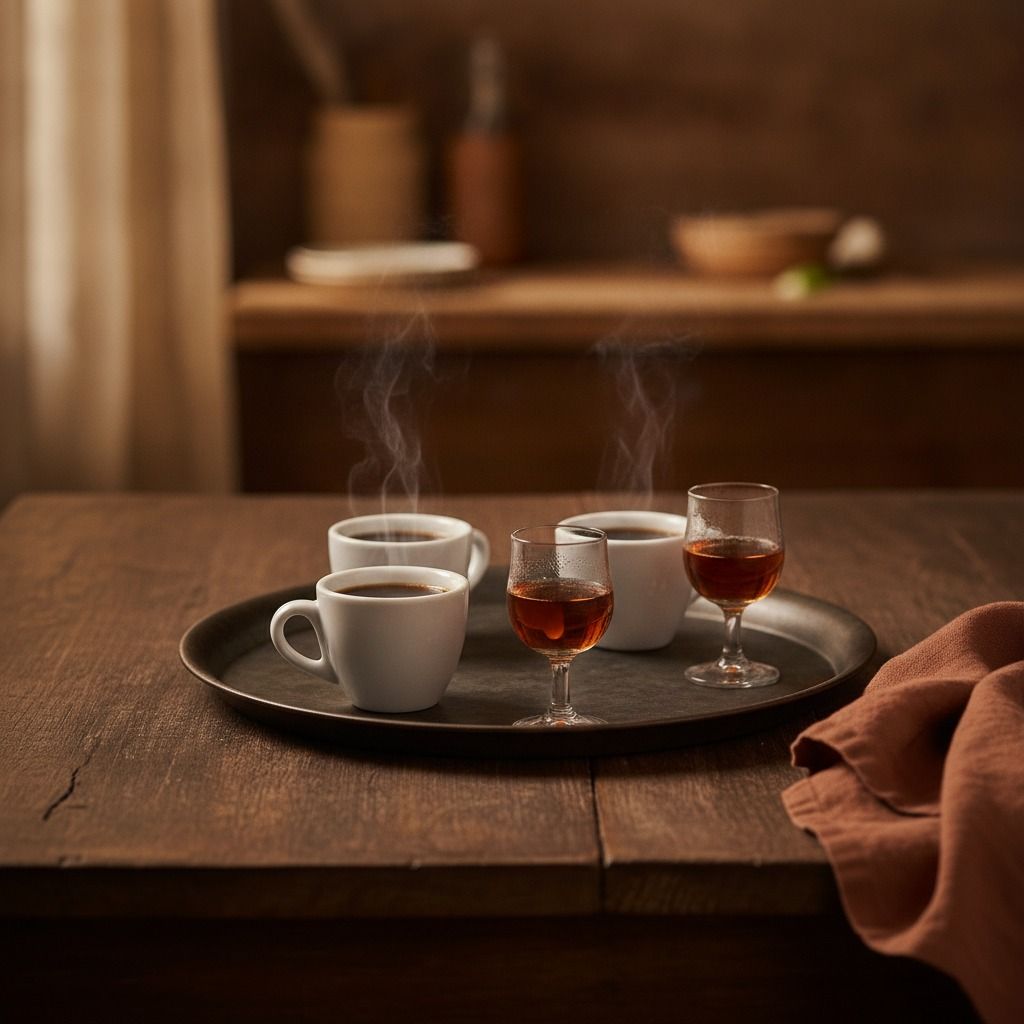
Coffee with Vieux Marc
Digestif · Reconstructed
Cook-Along · The night on one page
Each dish shows when to start cooking and when to serve — plate it as its scene arrives in Babette's Feast. Times are approximate; your version of the film and any ads will shift them, so watch for the on-screen moment, not the clock.
Start before the movie·Serve ~1:14
The opening course — spoons lift in unison and the General freezes mid-sentence, the first guest to realize this is no ordinary supper. Ladle it the moment the film's own dinner begins.
PrepThe veal-and-calf's-foot stock needs its full three hours before the roux and Madeira go in — build it the day before and just reheat to serve.
Start before the movie·Serve ~1:16
The Champagne goes round and the first sworn-to-indifference guest lets a small sound of pleasure slip out. Plate the blinis right as that cork pops on screen.
PrepThe batter needs its full hour to rise before anything hits the pan — mix it before the movie and fry to order once the cork pops.
Start before the movie·Serve ~1:21
The General sets down his fork and rises — one bite of the quail has carried him back to the Café Anglais, and the speech on grace and mercy begins. Set the plate down just before he stands.
PrepQuail stuffed and browned, pastry cases chilled and baked, sauce reduced — all of it finished before the movie starts, so all that's left at serve time is plating.
Start before the movie·Serve ~1:24
The quiet course between the quail and the cheese — nobody says a word about it, which is its own kind of surrender. Plate it right after the quail plates are cleared.
PrepJust washed leaves, toasted walnuts, and a shaken vinaigrette — dress it right before it goes out so the endive stays crisp.
Start before the movie·Serve ~1:26
The last course — the congregation that sat down determined to feel nothing is now laughing and forgiving old grievances outright. Bring the ring to the table as the singing starts.
PrepThe dough needs its rise, then a bake, then a full syrup soak — build it earlier in the day and let it sit soaking; all that's left at serve time is filling it with cream and fruit.
Start before the movie·Serve ~1:26
Someone at the table marvels at the grapes — fresh fruit in Jutland in December — right before the General rises to speak. Bring the board out on that line.
PrepJust arranging, no cooking — let the cheese come fully to room temperature and have the fruit washed and ready well ahead, so all that's left is composing the plate.
Pour ~1:31
'After the coffee, in the small glasses' — the last instruction of the night, right before everyone moves to the sitting room. Pour it on that line.
PrepCoffee brewed and kept warm, the marc glasses set out ahead of time — this is assembly, not cooking, so have both ready well before the last course lands.
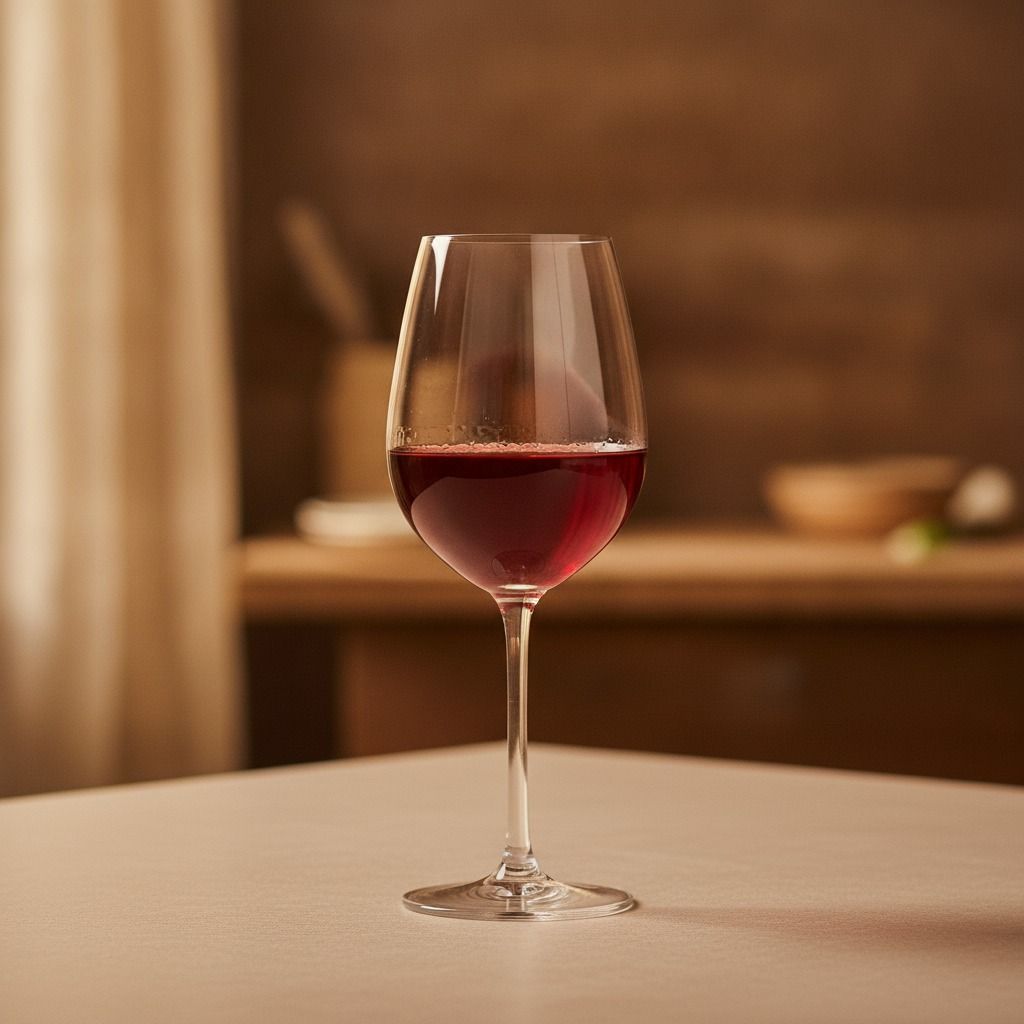
Wine from the film


Food Notes
The whole dinner is an act of grace — a gift no one asked for and no one can repay. Babette, a refugee taken in by two pious sisters in a bleak Jutland village, wins 10,000 francs in a French lottery and spends every centime of it on one meal for people who have vowed not to enjoy it. She asks for nothing back. The film, adapted from Isak Dinesen's story, is about art and generosity as their own reward.
The wines are named on screen, course by course. Amontillado with the turtle soup, Veuve Clicquot 1860 with the blinis, Clos de Vougeot 1845 with the quail, then coffee with a fine marc. General Löwenhielm keeps identifying them aloud — the film's way of revealing Babette's pedigree without ever stating it.
Babette was head chef at the Café Anglais. The real Café Anglais was one of the most celebrated restaurants of 19th-century Paris. The cailles en sarcophage is presented as its signature — the dish that makes the worldly General realize a master is at work.
The food on screen was really cooked. The production brought in a professional chef to prepare the actual courses for the shoot, so what the actors taste is the real thing — part of why the meal reads as genuinely transporting rather than staged.
One line is the whole film. Babette: "Throughout the world sounds one long cry from the heart of the artist: Give me the chance to do my very best."
More on this film's food
Go deeper
Watch the movie
As an Amazon Associate, FlixNFood earns from qualifying purchases.