From Nonnas
Nonna's Polpette
- Servings
- 4
- Cuisine
- Italian-American
- Difficulty
- Medium
Ingredients
Method
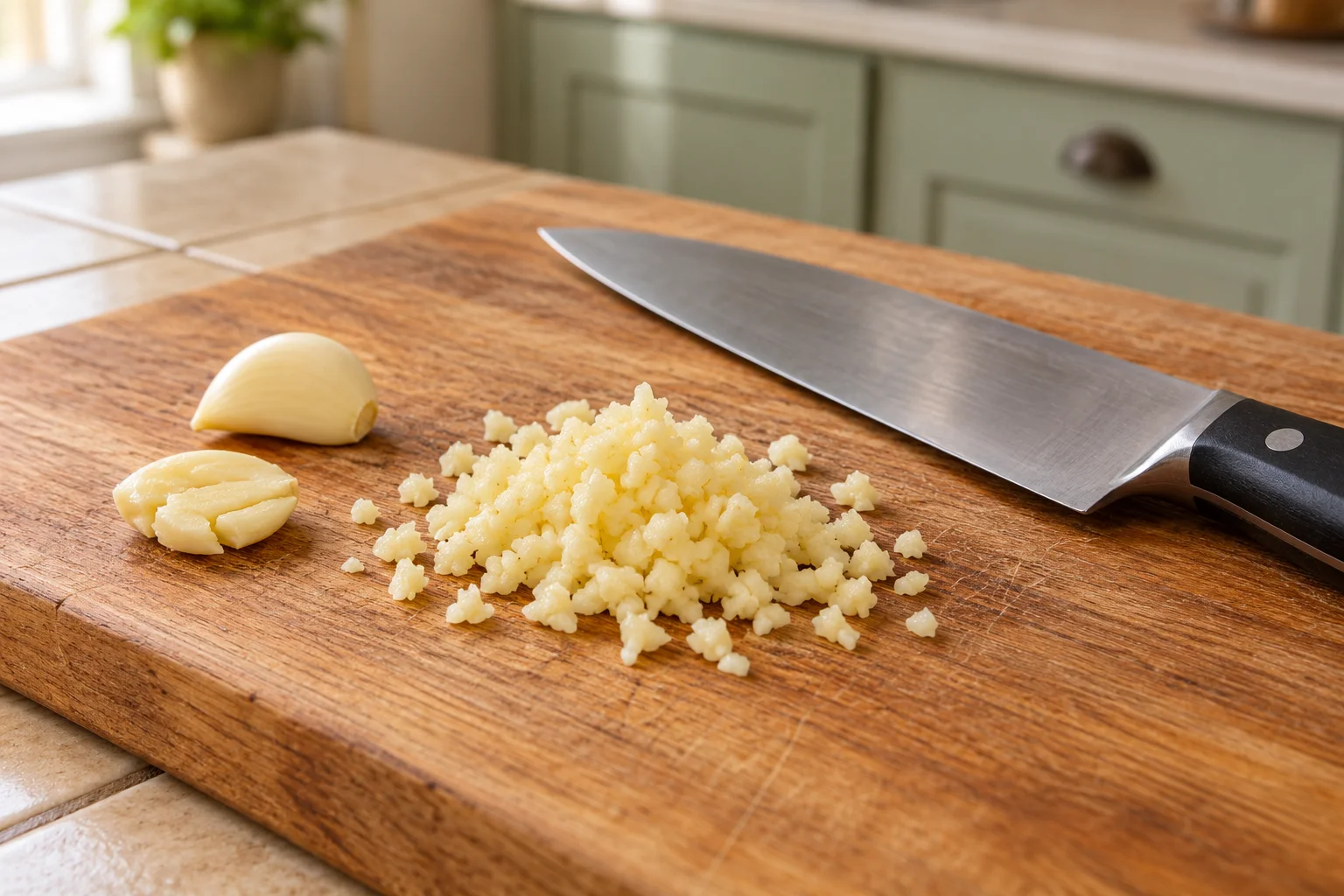
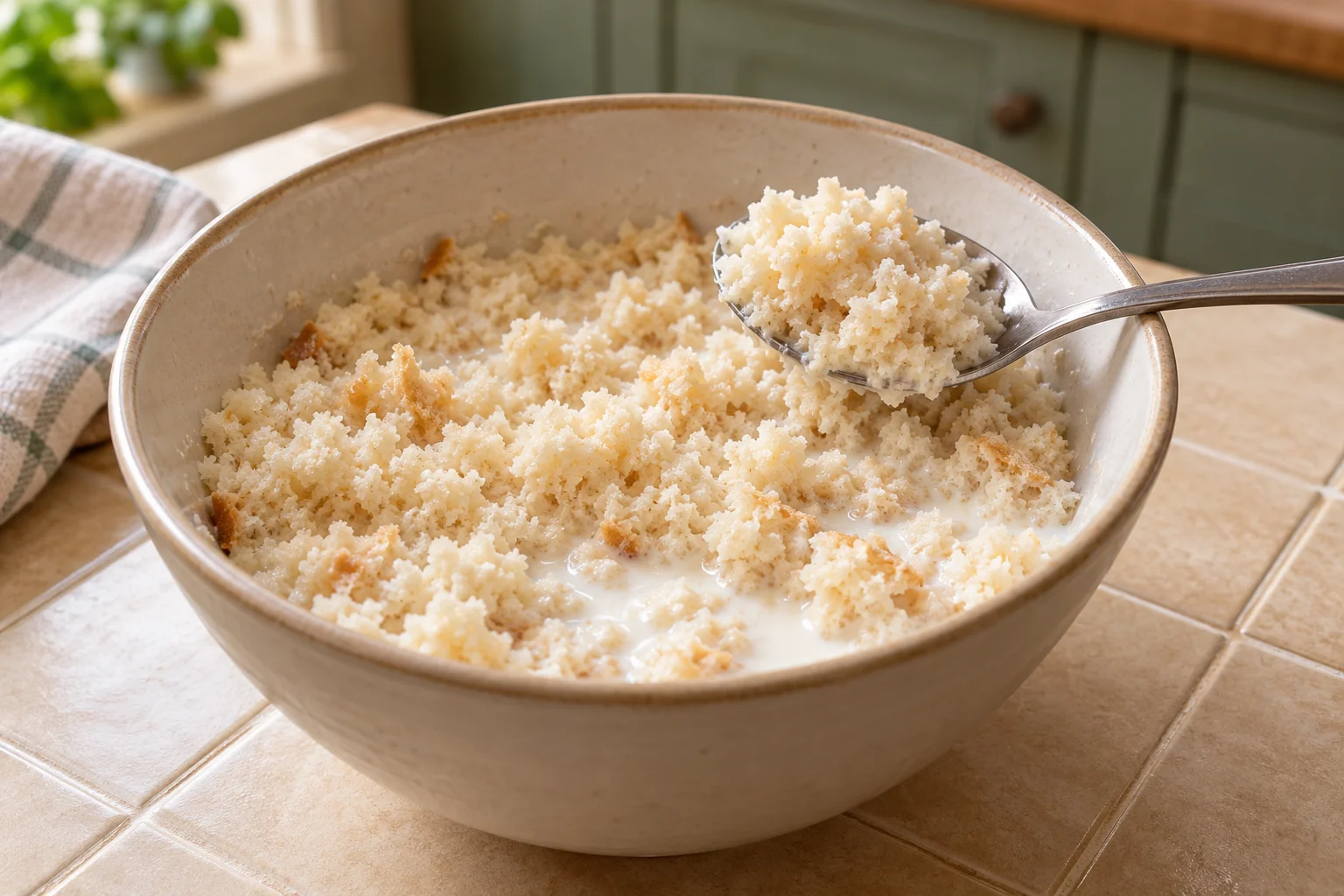
- Soak the breadcrumbs in the milk for a few minutes until soft, then squeeze out any excess and add to a large bowl with the beef, pork, Parmesan, eggs, garlic, and parsley. Season well.
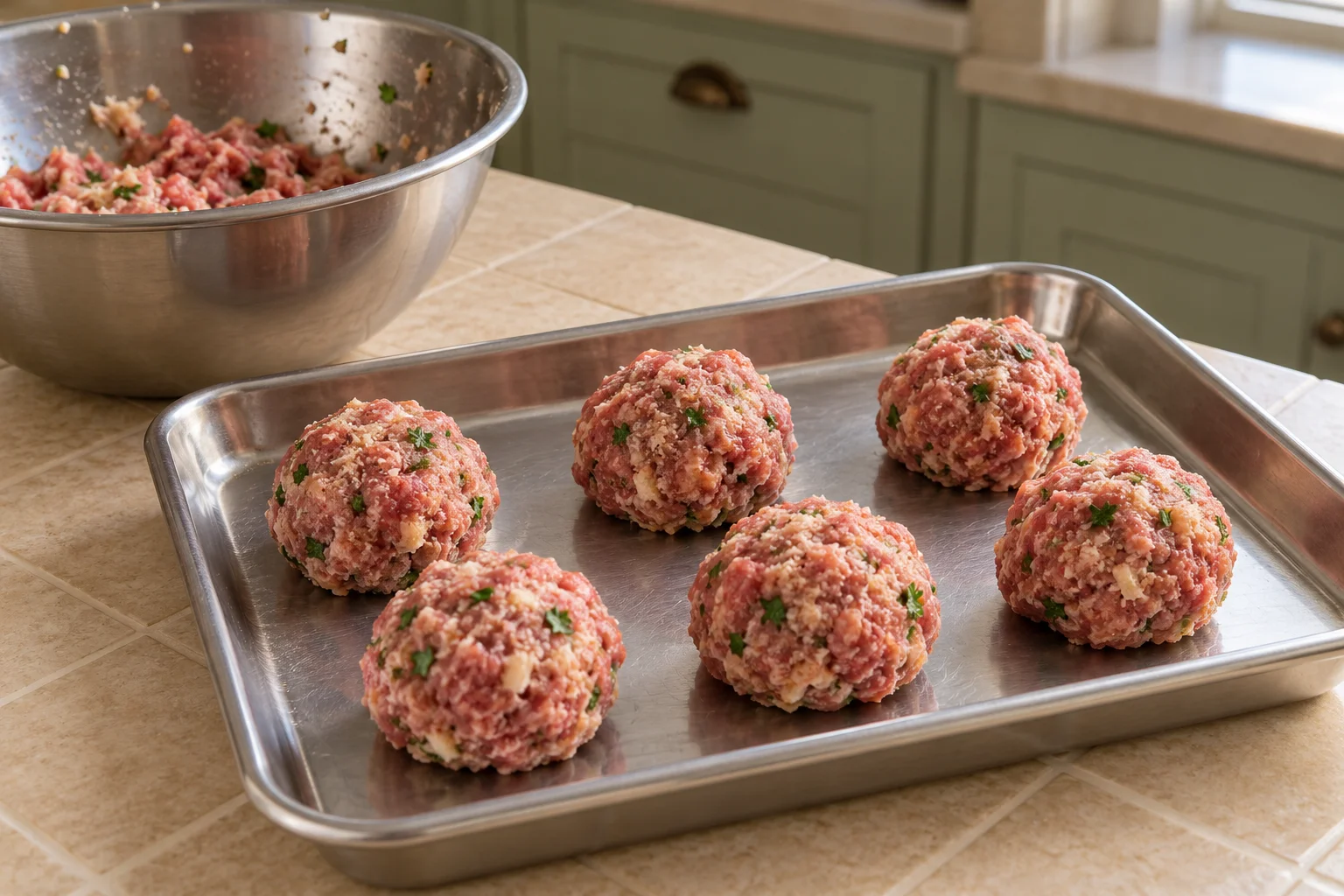
- Mix gently with your hands just until combined — overworking it makes the meatballs tough. Roll into balls a little larger than a golf ball. Fry a spoonful of the mix as a test patty and taste it before you roll the rest — nonnas never season blind.
- Warm a generous layer of olive oil in a skillet and brown the meatballs on all sides. They don't need to cook through yet — just get color.
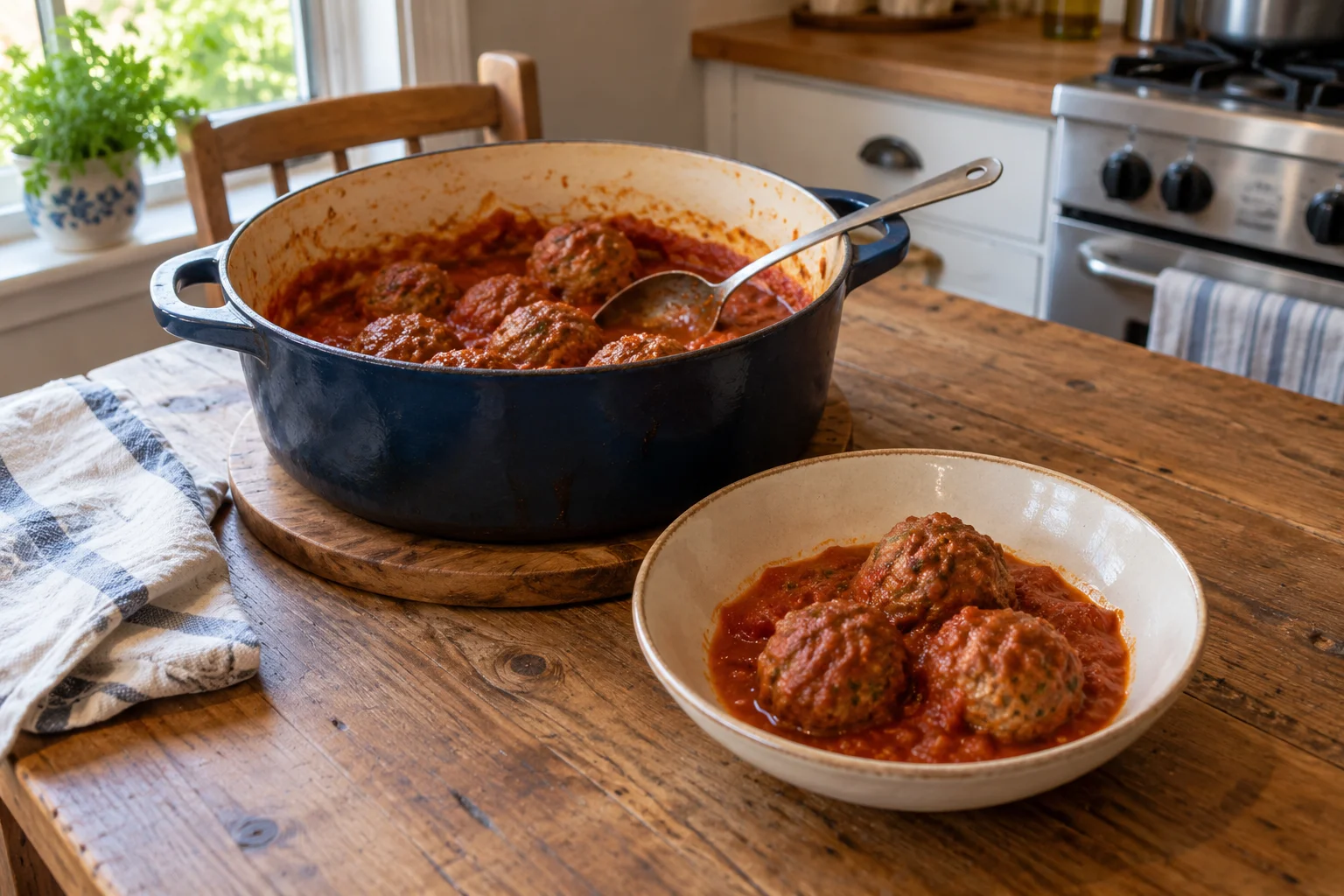
- Transfer the meatballs into simmering tomato sauce and finish cooking there, partially covered, for 20–25 minutes, until cooked through and tender — 160°F at the center of the largest one.
- Serve straight from the pot, sauce and all — they're just as good reheated the next day, which is the whole point of bringing them to work.
In the movie
Theatrical
- 00:11:56 Joe brings a container of his own attempt at his nonna's meatballs into the break room for his coworkers — 'my nonna's polpette, or as close as I could possibly get to it.'
Joe's polpette shows up early and almost in passing — a Tupperware container in a break room, offered up with a shrug and an admission that it's not quite right. It's the film's first taste of the gap between memory and result: he knows what his nonna's meatballs are supposed to taste like, and he can get close, but "close" is doing a lot of work in that sentence.
Serve when
Serve them proudly even if they're only 'as close as I could possibly get' — that's still worth bringing to work.
Check the temperature
- Thermapen ONE Instant-read thermometer
- ThermoPop 2 Everyday instant-read thermometer
- ChefAlarm Leave-in probe thermometer with a timer and alarm
As an affiliate, FlixNFood may earn from qualifying purchases.